EtherCAT Node Count Surpasses 100 Million as Real-Time Industrial Ethernet Adoption Expands
Growing adoption across industrial automation highlights the importance of deterministic, low-latency communication.
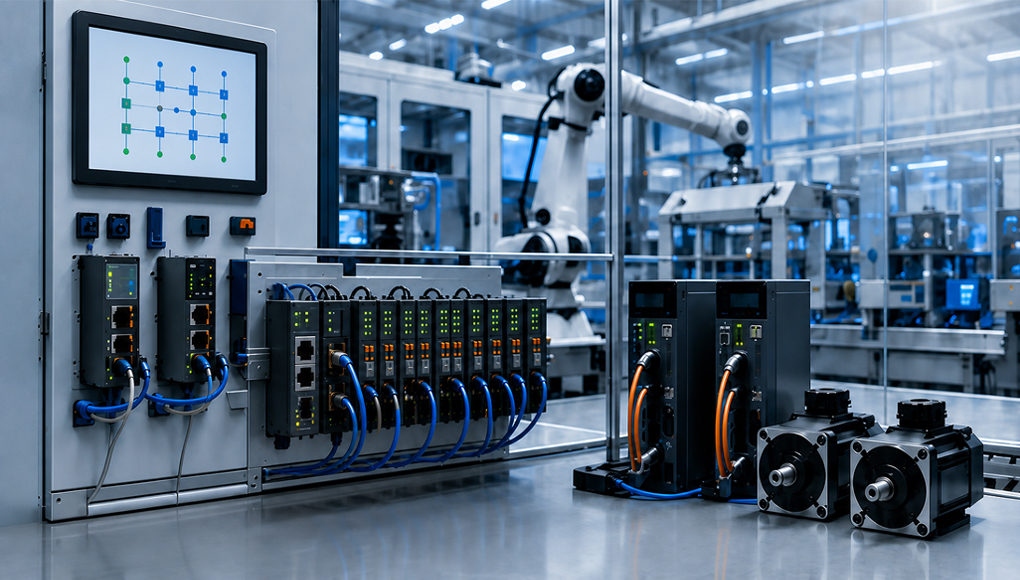
Smart manufacturing depends on high-speed communication, deterministic control, and coordinated equipment operation. Real-time industrial Ethernet provides the communication foundation for modern automation.
The EtherCAT Technology Group (ETG) reports that the cumulative EtherCAT node count reached 105.2 million in 2025, with 16.9 million new nodes added during the year. The figures follow a conservative methodology based on data reported by chip manufacturers: multi-protocol chips are counted proportionally, FPGA implementations are counted at only 10%, and modular I/O modules are excluded.
EtherCAT’s on-the-fly processing enables short cycle times, high determinism, and low latency. Flexible topology, automatic address assignment, and operation without switches also simplify commissioning.
Reliability, interoperability, and cybersecurity are increasingly important as industrial networks support connected, future-ready automation.
Key Industry Takeaways
1. Node Growth
EtherCAT reached 105.2 million cumulative nodes in 2025.
2. Broader Adoption
Adopted across robotics, manufacturing automation, intralogistics, and semiconductor manufacturing.
3. Deterministic Control
Low-latency communication supports synchronized systems, remote I/O, and fast data exchange.
4.Security Focus
Modern industrial networks increasingly prioritize reliability, interoperability, and cybersecurity.
Connected devices need deterministic, reliable, and secure industrial communication.
— ULO Editorial Team”
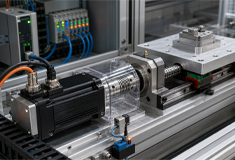
Motion Control Systems
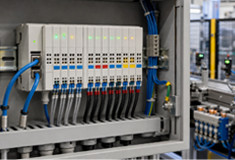
Remote I/O Connectivity
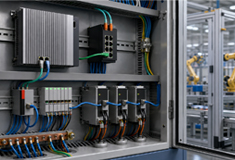
Smart Factory Networking
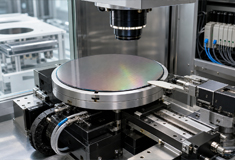
Semiconductor Equipment
Following Industry Trends in Industrial Connectivity
ULO GROUP focuses on industrial communication, remote I/O, connectors, and control solutions for digital manufacturing.