How Industrial Protocol Gateways Simplify Multi-Protocol Factory Integration
Protocol gateways help connect legacy and modern automation networks without redesigning every machine control layer.
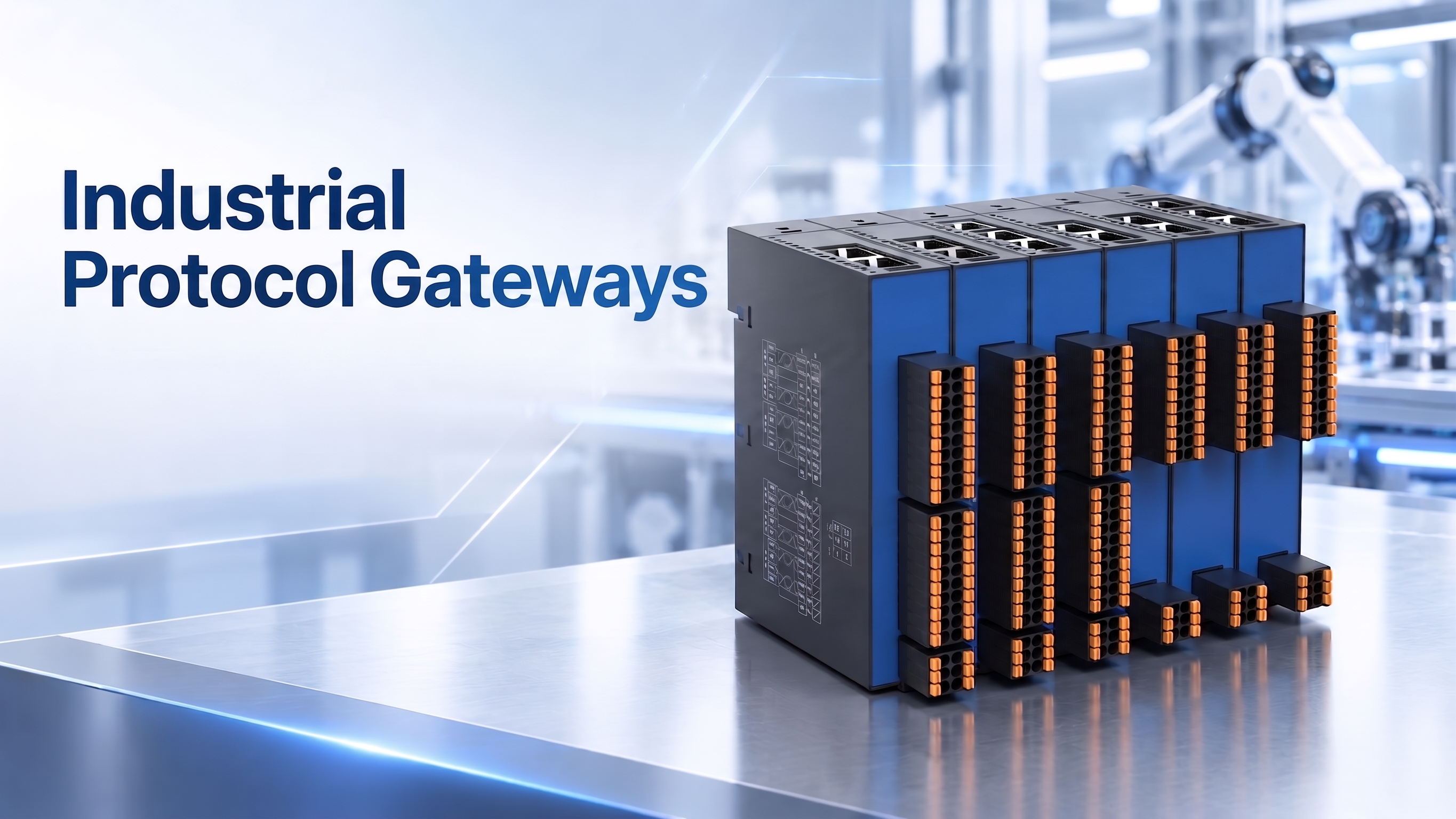
Modern factories rarely operate on a single communication standard. New PLCs, legacy machines, drives, sensors, and auxiliary equipment may use different industrial networks. An industrial protocol gateway creates a practical communication bridge, allowing selected process data to move between otherwise incompatible systems.
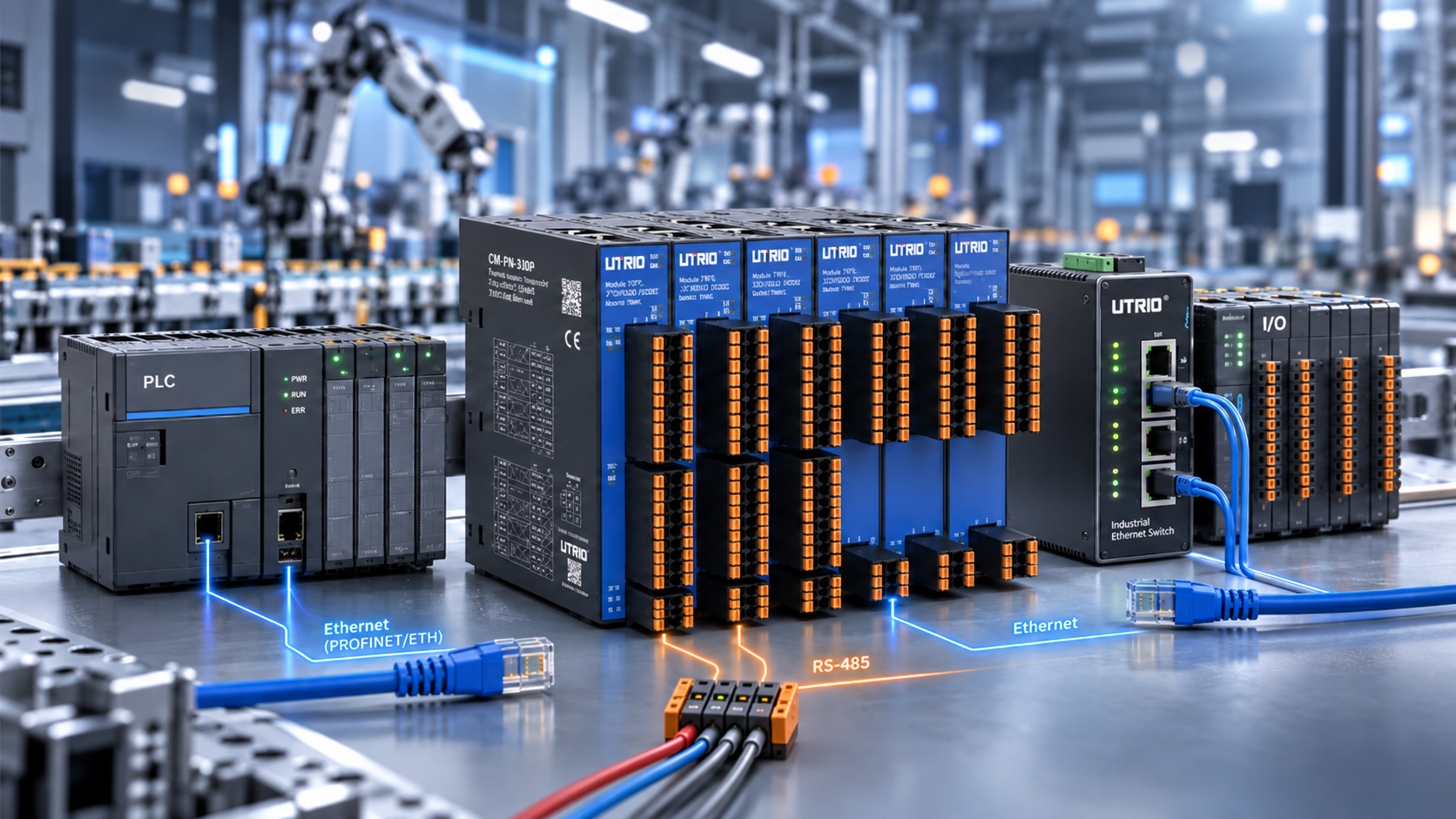
What Is an Industrial Protocol Gateway?
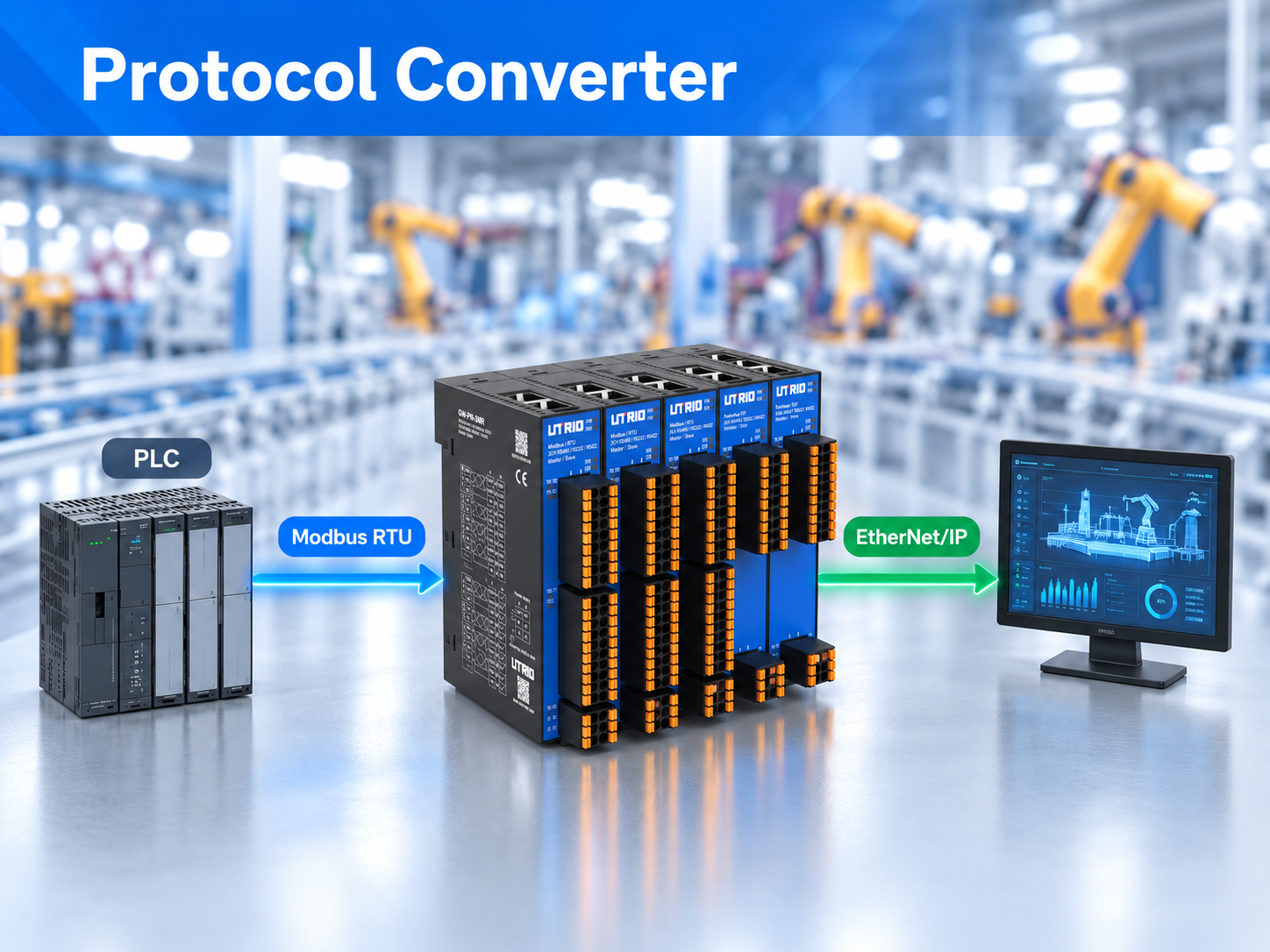
An industrial protocol gateway is a communication device that connects automation equipment using different network protocols. It receives data on one side, maps the required variables, and presents them through the target protocol on the other side.
Typical projects may involve industrial Ethernet, fieldbus, or serial communication environments such as PROFINET, EtherNet/IP, EtherCAT, Modbus TCP/RTU, CANopen, PROFIBUS, IO-Link, or RS-485. Specific protocol support and device roles should always be confirmed by model and firmware version.
Why Multi-Protocol Integration Matters
When production lines combine equipment from different suppliers or technology generations, communication can become a major integration challenge. Gateways help connect these systems without forcing unnecessary replacement of functioning machines. | 1. Better Interoperability 2. Easier Retrofit Projects 3. Faster Integration 4. Flexible Expansion |
Gateway Integration vs Controller Replacement
Gateway Integration Keeps the main machine controller in place and creates a communication bridge to the new network. Suitable when the machine remains reliable and the main requirement is data exchange or line integration. | Controller Replacement Changes the machine control platform itself. It may offer a more unified architecture, but typically requires deeper engineering, software changes, commissioning, and validation. |
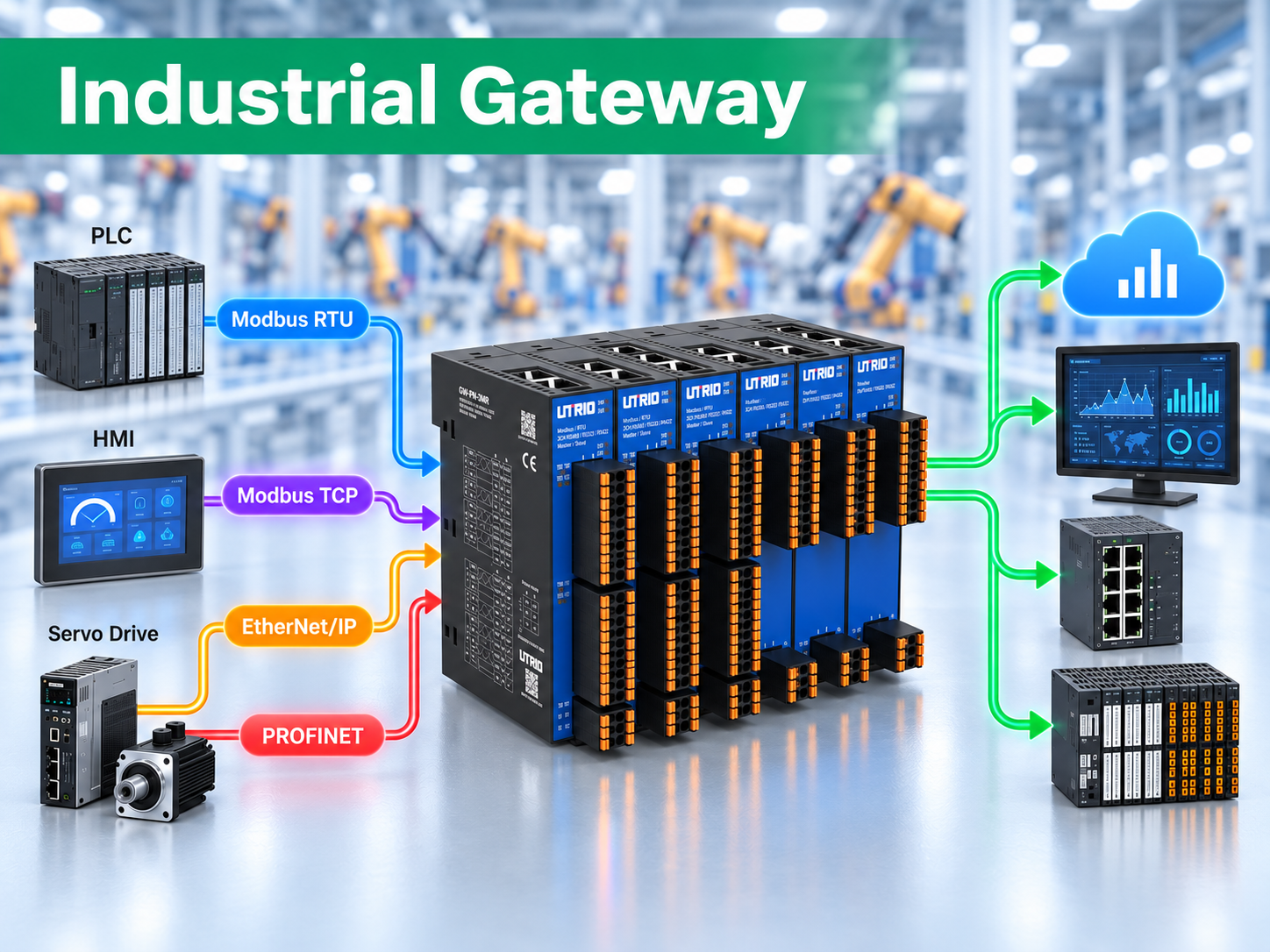
Selecting the Right Industrial Protocol Gateway
Key selection factors include:
· Source and target protocols, including required communication roles
· Number of connected devices and data-mapping capacity
· Data types, addressing structure, and update requirements
· Ethernet/serial interfaces, topology, and available cabinet space
· Diagnostic, configuration, and maintenance requirements
· Operating temperature, EMC, isolation, and site conditions
For time-sensitive control, communication performance and system architecture require particular attention.
For general machine integration or monitoring, compatibility, diagnostics, and maintainability may be higher priorities.
Industrial protocol gateways help machine builders and manufacturers create more connected, flexible, and maintainableautomation systems.