Inside the Control Cabinet or at the Machine? How to Choose Between IP20 and IP67 I/O Modules?
IP20 and IP67 I/O modules are designed for different installation environments. Understanding their differences in protection ratings, installation locations, wiring methods, and maintenance requirements can help users select suitable I/O solutions for industrial automation systems.
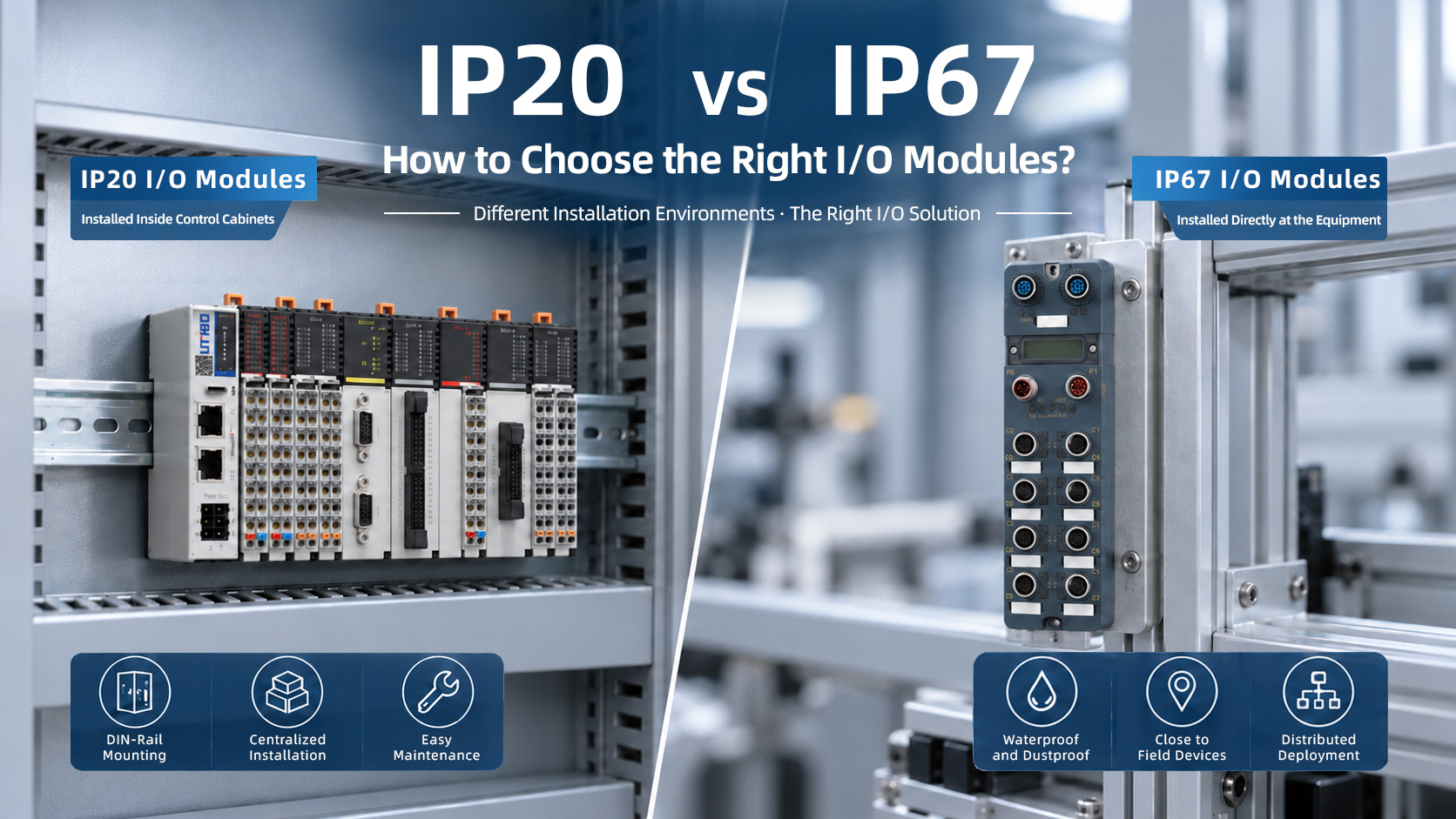
In industrial automation systems, the installation location of I/O modules directly affects equipment wiring, system maintenance, and environmental adaptability. IP20 and IP67 are two common protection ratings. Neither indicates inherently superior performance; instead, they are suited to different installation environments. Selection should be based on actual site conditions and system requirements.
Start with the Installation Location
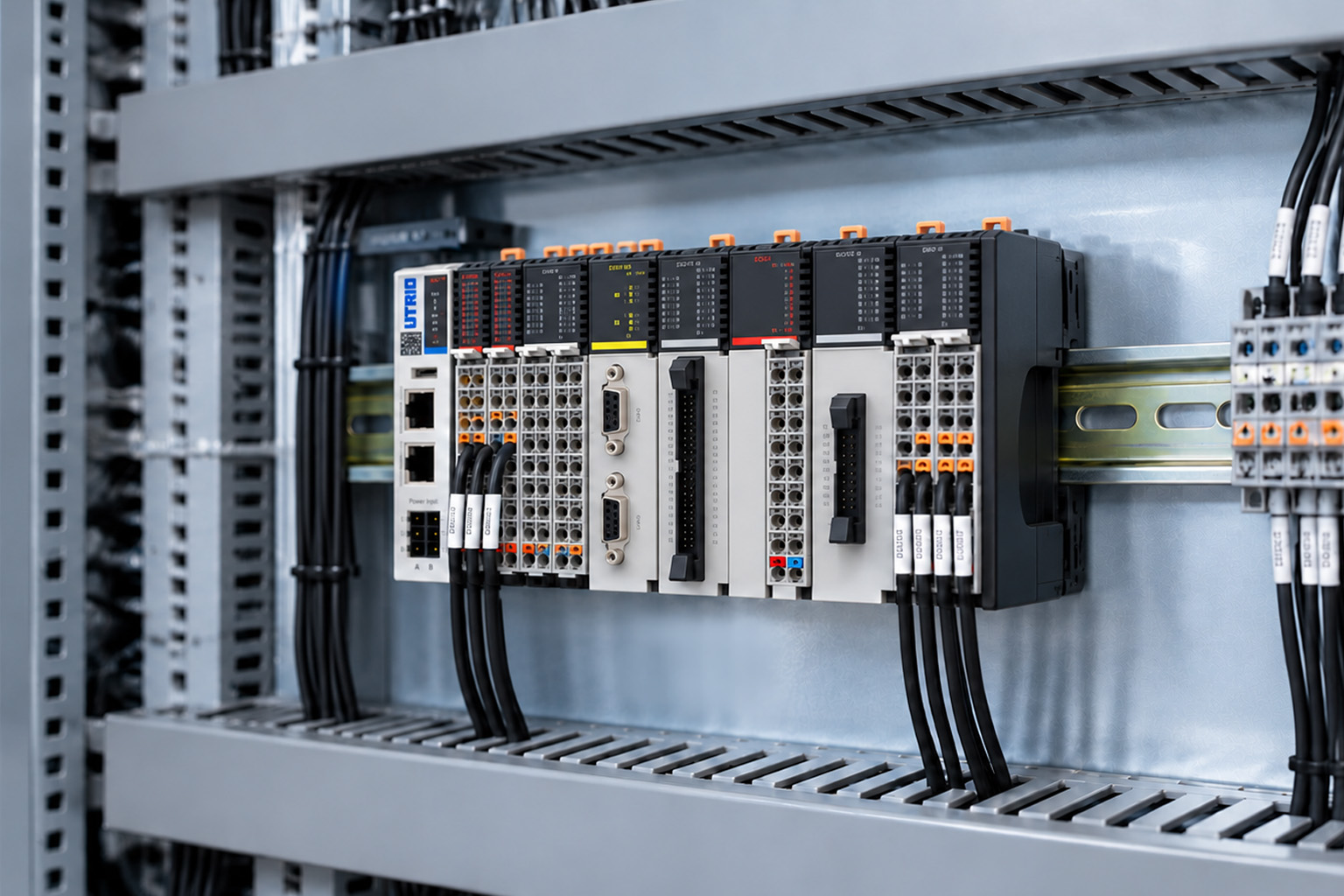
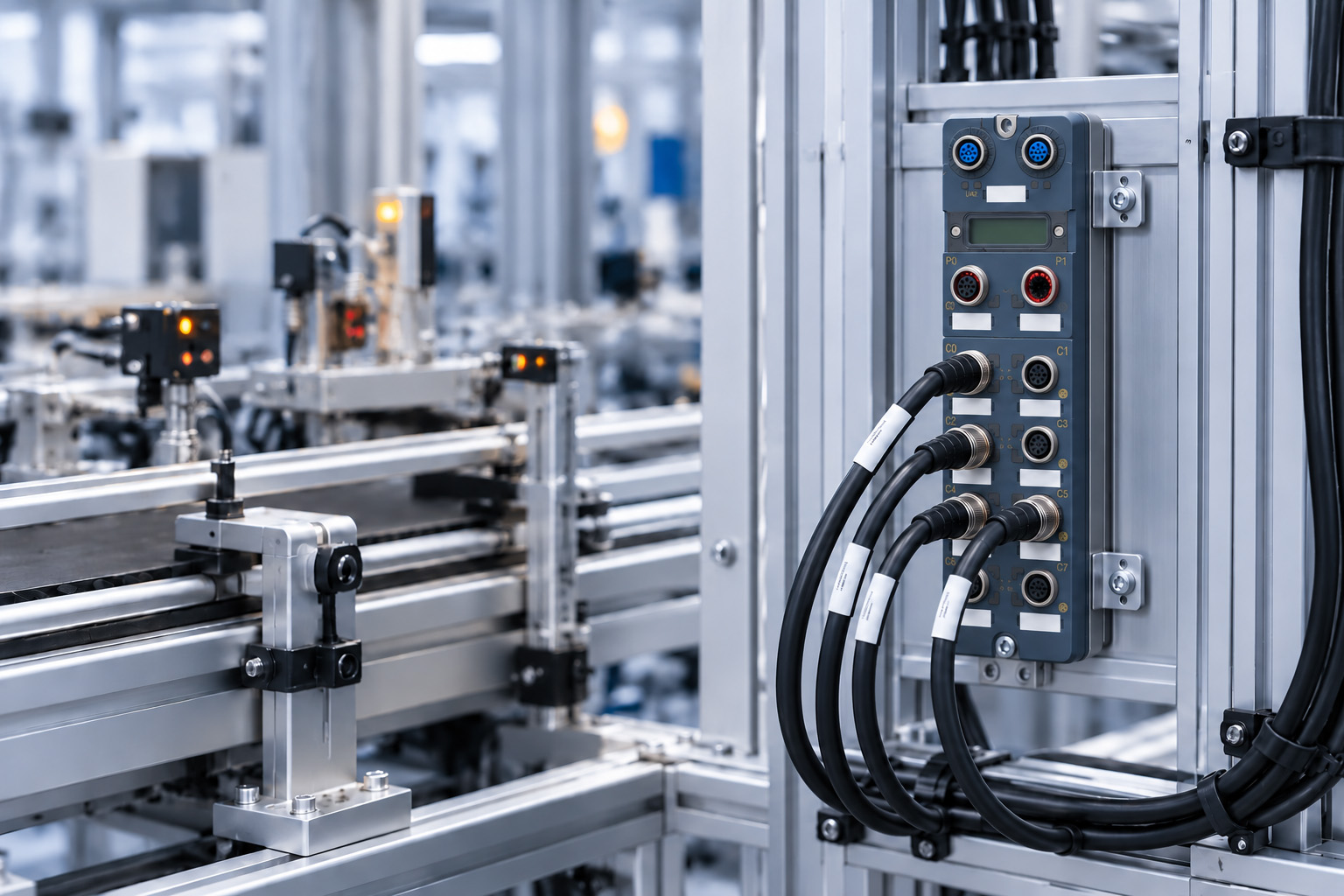
IP20 I/O modules are typically installed inside control cabinets or field enclosures that provide appropriate protection. They are suitable for DIN-rail mounting and modular configurations. IP67 I/O modules offer higher levels of dust and water protection and can be installed directly at the machine, closer to sensors and actuators, provided that the product's installation requirements are met.
The main distinction between the two lies in protection capability and applicable operating conditions. The right product shall be selected according to actual site conditions.
Compare Wiring and Maintenance Methods
Cabinet installation allows centralized management of power supply, wiring, and maintenance. However, when equipment is distributed over a large area,signal cables running from the cabinet to field sensors and actuators tend to be longer.
Machine-side I/O modules deployed near field devices shorten wiring runs between sensors, actuators and I/O modules, reducing workload for long-distance centralized wiring. Meanwhile, you also need to evaluate on-site power supply, industrial network connections, connector reliability and later maintenance conditions.
Check Key Technical Specifications
When selecting I/O modules, key parameters should be reviewed, including digital or analog channels, input and output types, load current, communication protocols, power supply requirements, operating temperature, and protection ratings.
For IP67 I/O modules, particular attention should also be paid to secure connector locking, blanking protection for unused ports, matched cable specifications and on-site mounting arrangements to ensure that the products consistently meet the IP67 protection rating under defined operating conditions.
Selection Recommendations
If equipment signals are concentrated and sufficient control cabinet space is available,IP20 I/O modules may be prioritized for evaluation. If field I/O points are widely distributed, equipment spans a large area, and dust and water protection are required, IP67 I/O modules may be a suitable option. The final selection should be based on specific product specifications and actual site conditions.
Selecting suitable IP20 and IP67 I/O modules can help optimize wiring and maintenance in industrial automation systems. ULO GROUP keeps deepening its presence in industrial automation connectivity and control, delivering matched I/O products and complete solutions for diverse application scenarios.
— ULO GROUP