Why Do Terminal Screws Rust Over Time? ULO GROUP's Zinc-Nickel Alloy Coating Enhances Corrosion Resistance
Terminal screws exposed to humid environments are susceptible to corrosion, while conventional coatings may provide limited protection. ULO GROUP terminal screws feature a zinc-nickel alloy coating, with a salt spray test demonstrating their corrosion resistance and rust protection performance.
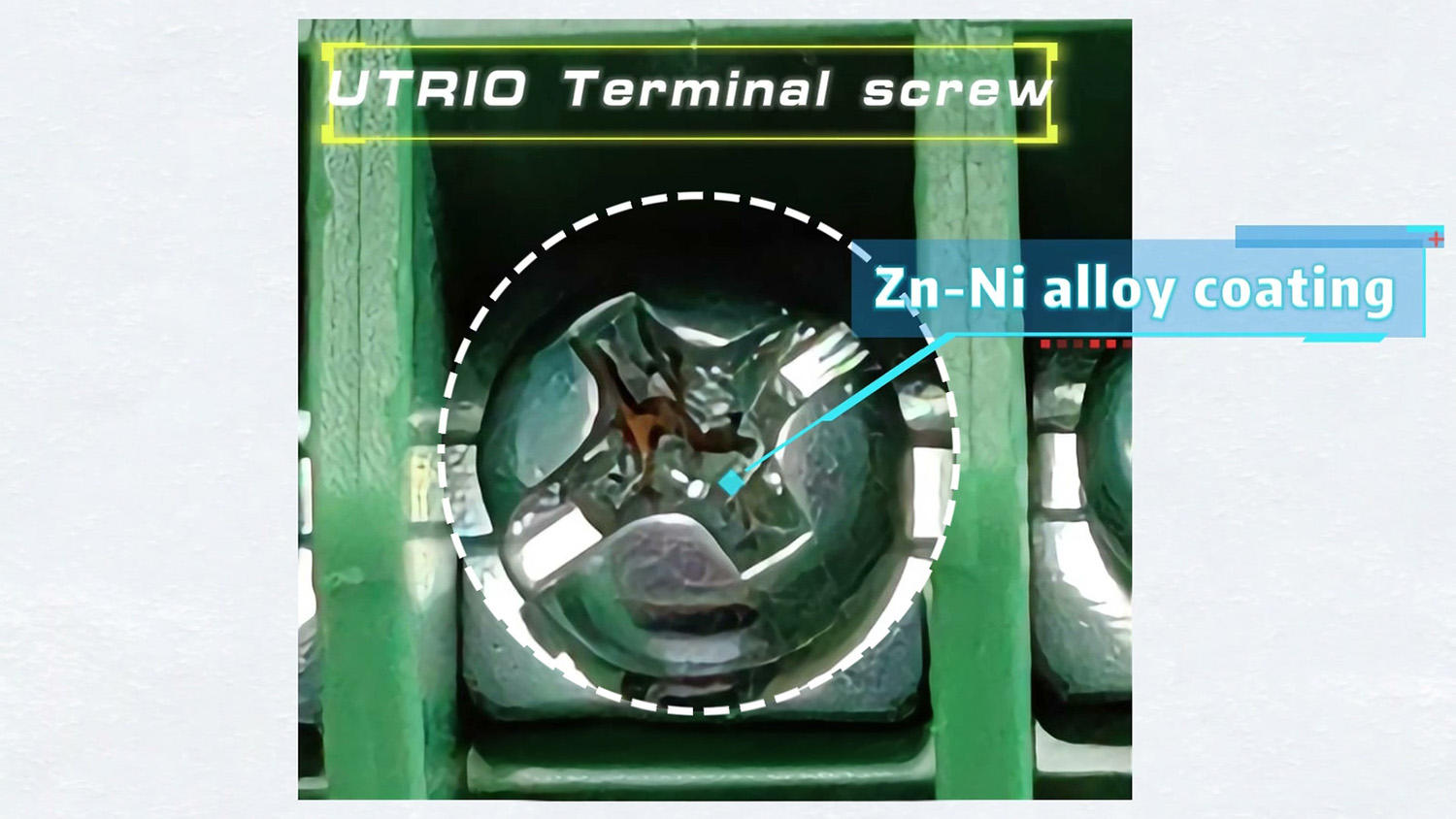
Conventional Coatings, Limited Corrosion Resistance
When terminal screws are exposed to humid environments over time, conventional coatings may offer insufficient corrosion resistance, making rust formation more likely. The video compares rusted screws with new screws to illustrate the differences in corrosion protection offered by different coatings.
Zinc-Nickel Alloy Coating, Enhanced Protection
To address screw corrosion, ULO GROUP terminal screws feature a zinc-nickel alloy coating that enhances corrosion resistance. Compared with conventional coatings, this design provides better protection against corrosion in humid environments and improves rust protection performance.
Salt Spray Testing, Demonstrating Rust Protection
The salt spray test demonstration highlights the corrosion resistance of the terminal screws. ULO GROUP's zinc-nickel alloy coating offers enhanced corrosion resistance, demonstrating the product's long-lasting rust protection advantages.
From coating selection to corrosion protection, ULO GROUP pays close attention to the details of terminal screw quality. By adopting zinc-nickel alloy coatings, the company enhances product corrosion resistance and provides more durable components for industrial connectivity.
The quality of a single screw contributes to the long-term reliability of every connection. ULO GROUP remains committed to refining materials and surface treatments, delivering dependable connection products that meet the demands of industrial applications.
— ULO GROUP