How to Evaluate Industrial Communication Protocols: EtherCAT, PROFINET, and EtherNet/IP?
EtherCAT, PROFINET, and EtherNet/IP are widely used in industrial automation, but they differ in system architecture, engineering configuration, and device ecosystems. Choosing the right protocol requires evaluating controller compatibility, device support, communication performance, and application needs.
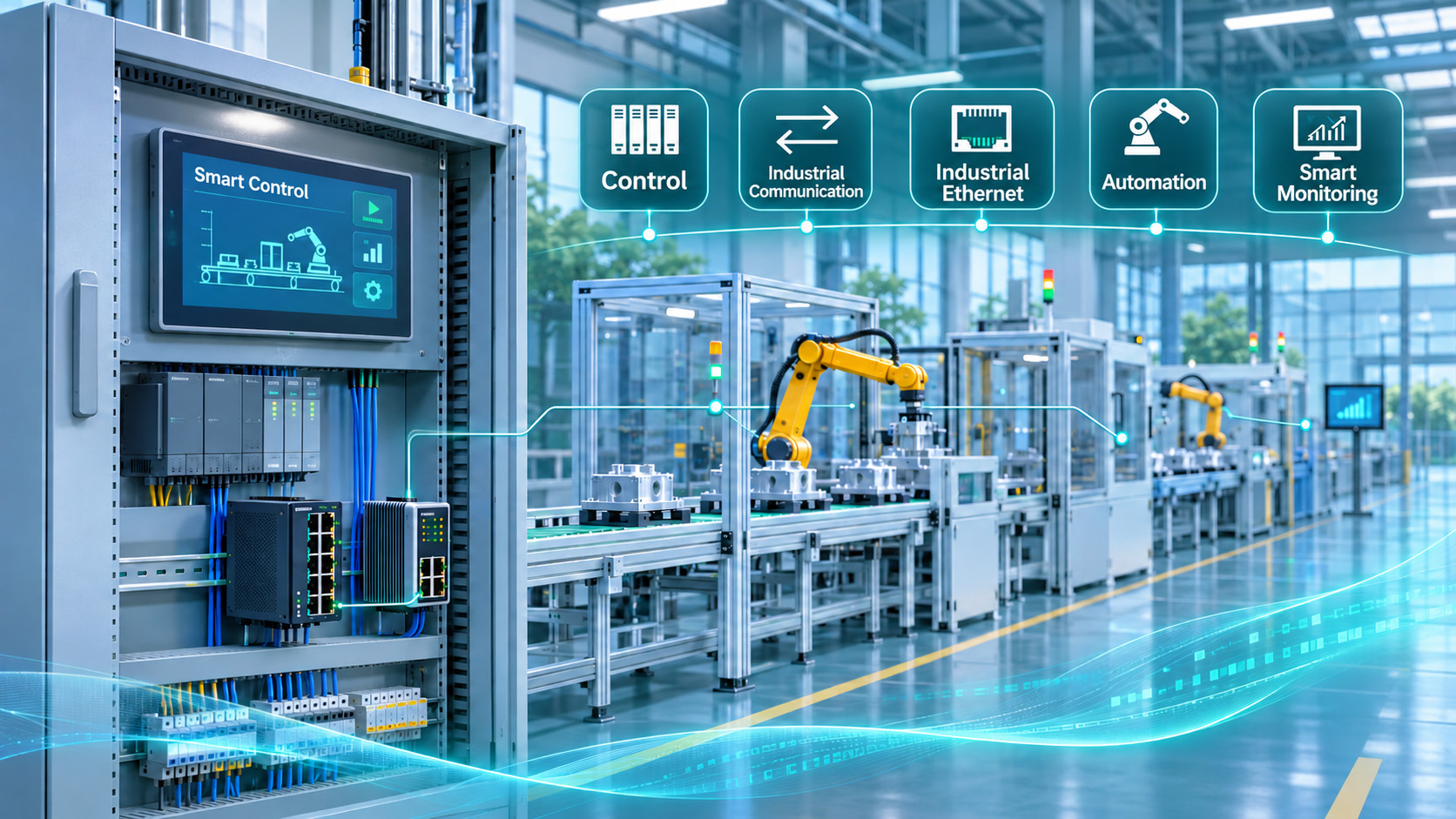
Compatibility & Performance
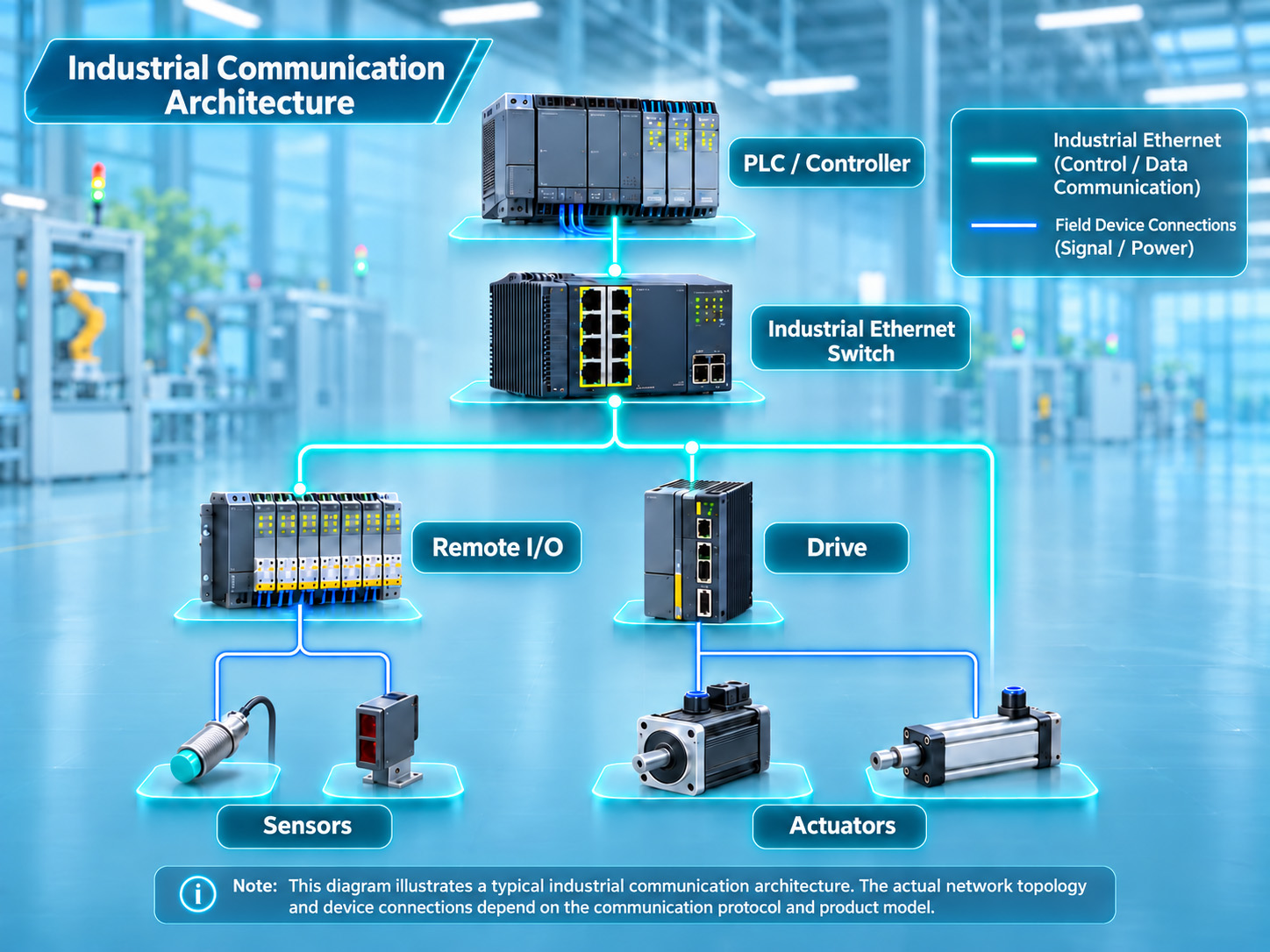
Start by checking which protocols the existing PLC or controller supports and whether field devices provide the required communication interfaces and functions. Verify device models, firmware versions, and manufacturer documentation to ensure they can be integrated into the project.
Different applications, such as motion control, distributed I/O, and equipment status monitoring, have different requirements for communication cycle times, synchronization, data requirements, and diagnostics. Actual performance depends not only on the protocol itself, but also on the controller, slave devices, network design, and configuration.
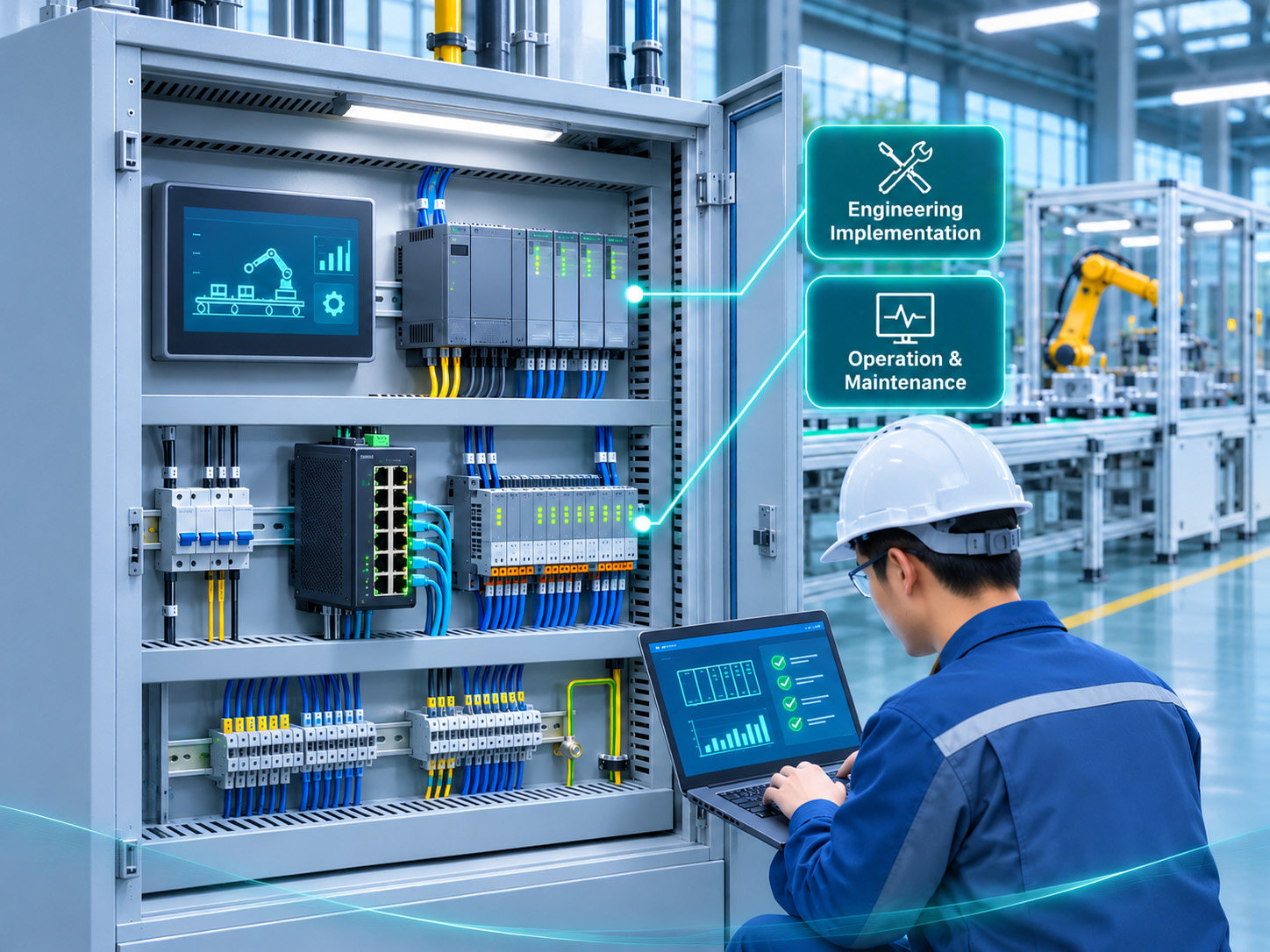
Engineering & Maintenance
Beyond communication performance, consider configuration software, device description files, commissioning procedures, fault diagnostics, the technical team's familiarity with the system, and compatibility with existing production lines. If devices using different protocols need to communicate, consider a protocol converter or gateway, and clarify data mapping and functional limitations in advance.
Choosing the Right Protocol
Industrial projects vary in control requirements, device configurations, and operating environments, so no single protocol fits every application. Select a protocol based on controller compatibility, I/O point requirements, real-time needs, and maintenance capabilities. ULO GROUP offers product ranges for different industrial communication needs, including I/O modules, protocol converters, and industrial Ethernet switches. Specific protocol support depends on the product model and its technical specifications.
Choosing the right industrial communication protocol helps ensure reliable device connectivity and efficient system operation. ULO GROUP continues to focus on the connectivity and control needs of industrial automation, offering customers a range of industrial communication and connectivity solutions.
From industrial communication to intelligent control, ULO GROUP combines technological innovation with reliable quality to make industrial connectivity simpler and create greater value for industrial automation worldwide.
— ULO GROUP