Why Do Terminal Screws Fall Out When Loosened? ULO GROUP's Screw-Retention Design Explained
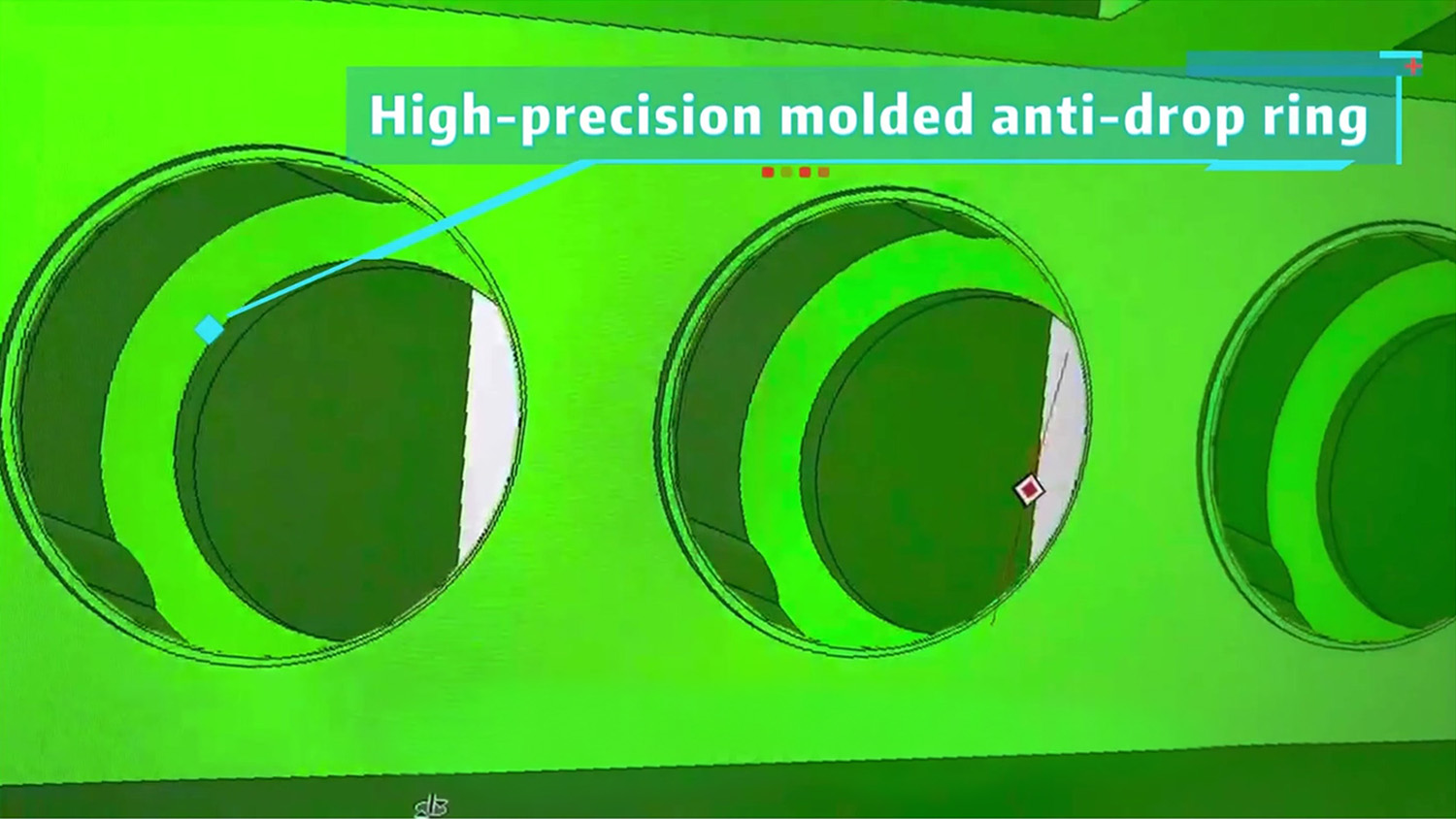
Conventional terminal designs may lack screw-retention features, allowing screws to fall out when loosened and potentially get lost during wiring. ULO GROUP addresses this issue with an injection-molded screw-retention ring and a matched screw-travel design, helping keep screws inside the terminal holes even when loosened and making wiring more convenient.
Conventional Design, No Screw-Retention Feature
Conventional terminal designs without screw-retention features can allow screws to fall out during loosening. This increases the risk of losing small components and makes wiring operations less convenient.
Injection-Molded Retention Ring, Optimized Screw Structure
To address screw drop-out, ULO GROUP incorporates an injection-molded screw-retention ring into its terminal design, with the ring structure matched to the screw's travel. This combination helps keep the screw inside the terminal hole during loosening.
Matched Screw Travel, Reduced Risk of Screw Loss
With the retention ring and matched screw-travel design, the screw remains inside the terminal hole even when loosened. This reduces the risk of screws falling out or being lost, making wiring operations smoother and helping improve installation efficiency.
By combining an injection-molded screw-retention ring with a matched screw-travel design, ULO GROUP improves screw retention in its terminals. This design helps keep screws inside the terminal holes when loosened, reducing the risk of screw loss and supporting a more convenient wiring process.
ULO GROUP applies thoughtful structural design to keep every screw where it belongs, making industrial wiring more convenient and every connection more dependable.
— ULO GROUP